


Layering Textures: How to Style Area Rugs Over Hardwood and Laminate
At Macco's Floor Covering Center, our design specialists love helping you find the perfect balance between hard surface durability and plush soft surface style. Here is your definitive guide to mastering the art of layering textures in your home.
Why Layer Area Rugs Over Hardwood and Laminate Floors?
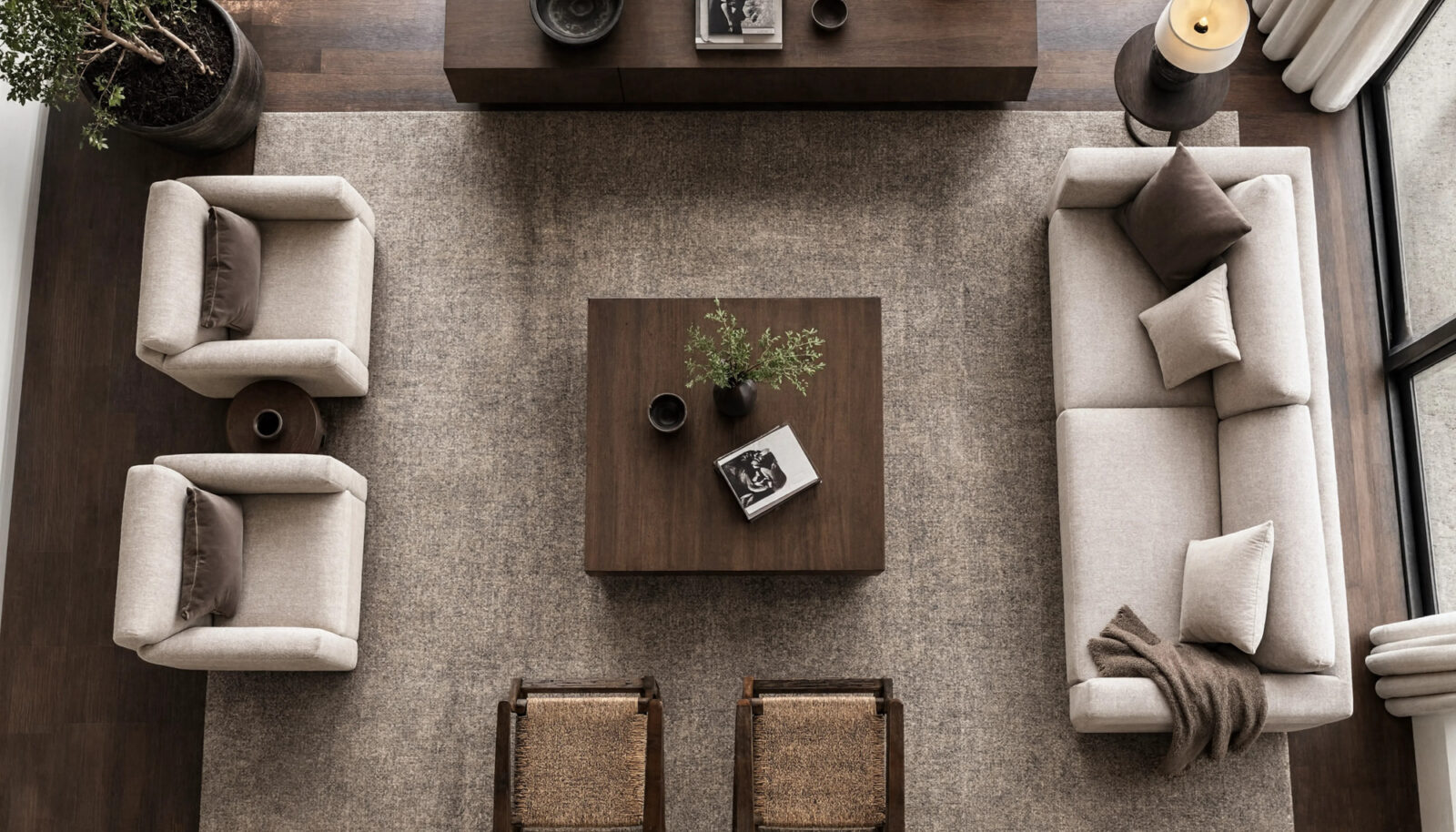
Layering an area rug over hard surface flooring improves room acoustics, provides essential thermal insulation, creates visual dimension, and shields high-traffic plank zones from daily wear and tear.
Hard surfaces naturally reflect sound waves, which often creates an unwanted echo in spacious, open-concept floor plans. Adding an area rug absorbs ambient sound, softening footfalls, television audio, and everyday conversation. During long Wisconsin winters when you turn on the furnace, rugs provide a thermal barrier that insulates your bare feet from chilly floor surfaces.
From a practical maintenance standpoint, area rugs also protect your flooring investments. Even the most durable laminate wear layers and factory-finished hardwoods can face micro-scratches from pet claws, grit tracked in from outside, or shifting furniture legs. A thoughtfully placed rug absorbs that daily friction, preserving the pristine finish beneath it.
Choosing the Right Rug Textures for Your Flooring Planks
The secret to successful layering lies in textural contrast. If your laminate or hardwood features prominent graining, heavy wire-brushing, or hand-scraped character, pair it with calmer, tighter weaves. If your flooring has a smooth, subtle grain, you have complete freedom to experiment with chunky, multi-dimensional fibers.
Natural Fibers: Jute, Sisal, and Flatweaves
Natural fiber rugs woven from jute, sisal, or seagrass introduce earthy, organic warmth to your interior. Their coarse weave creates an understated contrast against smooth hardwood planks like red oak, white oak, or maple. Natural fibers work exceptionally well as a foundational base layer because they lie flat, hold their structure, and introduce neutral color palettes that never compete with your existing decor.
High-Pile, Shag, and Plush Textures
When you want to sink your toes into luxurious comfort, high-pile Moroccan-inspired rugs or modern plush shags deliver dramatic softness. Placing a thick, cloud-like rug in a living room, family room, or bedroom immediately softens the firm feel of laminate or solid wood. These plush textures create a cozy retreat during sub-zero January evenings.
Low-Pile, Patterned, and Custom Cut Remnants
Low-pile rugs, patterned loops, and tight textured carpets offer maximum durability with easy everyday maintenance. They allow dining chairs to slide effortlessly without catching and prevent tripping hazards in busy corridors. If you have active pets or children, consider custom area rugs crafted from Pet Perfect carpet or designer brands like Karastan and Anderson Tuftex. These advanced fibers resist tough stains, release pet hair easily, and withstand heavy everyday traffic.
Practical Styling Rules: How to Layer Rugs Like an Interior Designer
Layering rugs is an art form, but following a few fundamental styling rules will ensure your room feels curated rather than cluttered.
| Layering Component | Best Material or Technique | Practical Design Purpose |
|---|---|---|
| Base Layer | Oversized natural jute, sisal, or tight flatweave | Covers the main seating footprint and anchors furniture |
| Accent Top Layer | Plush shag, vintage Persian pattern, or faux hide | Introduces accent color, soft tactile comfort, and visual interest |
| Floor Border | 12 to 18 inches of exposed wood or laminate | Frames the seating arrangement and displays your hard surface craftsmanship |
| Protective Underlay | Dual-sided felt and natural rubber pad | Prevents slippage, stops color transfer, and protects floor finishes |
1. Follow the Perimeter Reveal Rule
Always let your hard surface flooring show around the perimeter of the room. A standard design guideline is to leave approximately 12 to 18 inches of bare floor exposed between the edge of your rug and the baseboards. In smaller rooms, an 8-inch border works well. This visible perimeter frames the rug, visually expanding the room while showing off your hardwood or laminate craftsmanship.
2. Double-Layer Rug on Rug for Extra Depth
If you want a luxurious, designer-grade aesthetic, try placing a smaller accent rug directly over a larger, neutral base rug:
- Start with an oversized, low-profile base rug (such as a natural jute, flatweave, or sisal) that easily accommodates all furniture legs.
- Center a smaller, softer top rug over the base (such as an antique Persian pattern, a plush wool shag, or a geometric print).
- Ensure the top rug is roughly two-thirds the size of the base rug so both distinct textures remain visible.
3. Balance Visual Weight and Color Undertones
Look closely at your flooring planks before selecting rug colors. Cool-toned gray laminates and modern blonde woods pair effortlessly with slate, charcoal, navy, crisp cream, and cool pastels. Warm amber oak, rich walnut, and honey-toned hardwoods harmonize best with terracotta, olive green, warm ivory, and earthy ochre. Matching temperature undertones creates visual cohesion throughout your home.
Room-by-Room Styling Guide for Wisconsin Living
Authentic Wisconsin living means outfitting your spaces to withstand mud, snow, lake sand, and shifting seasons. Here is how to style your rugs by room:
- Living Rooms and Great Rooms: Anchor your sofa and chairs with a generous area rug. Place at least the front legs of all key seating pieces on the rug to tie the conversation zone together. If your room features vaulted ceilings, a thick textured rug will significantly tame sound reverberation.
- Lakefront Cottages and Sunrooms: If your home sits near the water in communities like Sturgeon Bay, Sheboygan, Marinette, or Green Bay, summer brings fine sand while winter brings heavy condensation. Layer flatweave rugs made from water-resistant synthetic fibers over your waterproof laminate. They catch sand at the threshold and vacuum clean in seconds.
- Dining Rooms: Always select a flatweave or low-profile loop rug that extends at least 24 inches beyond every side of your dining table. This prevents chair legs from catching on the rug edge when you or your guests push back from the table.
- Mudrooms and Foyers: Your entryway takes the brunt of winter road salt, melting slush, and muddy boots. Protect your hardwood or laminate entry by placing an abrasive low-pile runner over a non-staining pad to trap debris before it reaches your main living quarters.
Protect Your Floors: Why the Right Rug Pad Is Non-Negotiable
Never place an area rug directly onto hardwood or laminate flooring without a specialized rug pad underneath.
| Rug Pad Type | Material Composition | Safety for Hard Surfaces | Primary Recommendation |
|---|---|---|---|
| Dual-Surface Felt & Rubber | Recycled needle-punched felt with natural rubber base | Safe for all hardwood and laminate finishes | Top Choice: Delivers plush underfoot cushioning while stopping rug shifts |
| 100% Natural Rubber | Solid natural tree rubber | Safe for all polyurethane and factory finishes | Best for Runners: Ultra-low profile that stops slips without raising pile height |
| Standard PVC Plastic Mesh | Coated plastic with chemical plasticizers | Can stain, discolor, or etch wood finishes | Avoid: Traps grit and can chemically react with plank wear layers |
Without a quality pad, tiny specks of dirt and winter road salt get trapped under the rug backing. As footsteps move across the rug, that grit acts like sandpaper against your floor finish. Furthermore, cheap plastic or PVC waffle pads contain chemical plasticizers that can permanently yellow, etch, or cloud polyurethane hardwood finishes and laminate surfaces.
Invest in a dual-sided pad made with recycled felt on top for cushioning and 100% natural rubber on the bottom. The rubber grips your floor safely without shifting or staining, while the felt grips the rug backing to prevent bunching.
Frequently Asked Questions About Layering Rugs
Can you layer an area rug over laminate flooring without causing moisture damage?
Yes, you can safely layer area rugs over laminate flooring as long as you use a breathable, natural rubber and felt rug pad. Avoid non-breathable solid plastic liners or placing damp rugs over laminate seams, because trapped moisture can cause laminate planks to swell or peak at the joints.
How do you keep an area rug from sliding on smooth hardwood?
The safest way to stop rugs from slipping is to use a dual-surface pad constructed with a natural rubber backing. Rubber grips the hardwood securely without adhesive tapes, which can leave a sticky residue or pull up the wood finish when removed.
What are the best rug fibers for homes with pets?
Nylon, triexta, and solution-dyed polyester are the best choices for active pet households. Products like Pet Perfect carpet styles resist permanent staining, withstand claw snags, and clean up quickly after muddy paws track through the house.
Experience Our Flooring Textures and Styles in Person
Layering textures with area rugs allows you to refresh your home, soften your steps, and showcase your unique personal style. Whether you need a custom-bound area rug, a luxurious Karastan design, or brand-new waterproof laminate and solid hardwood, our team is here to guide you every step of the way.
Visit our Macco's Floor Covering Center showroom in Green Bay & Northeast Wisconsin to explore hundreds of flooring samples and rug textures in person. You can also experiment with your own room photos using our online visualizer, schedule a one-on-one consultation with our professional interior designers, or reach out to our team to book your free in-home estimate across Green Bay, Appleton, Sheboygan, Marinette, Schofield, Sturgeon Bay, and Janesville, WI.