


Laminate Floor Buying Checklist
What to Consider Before You Buy
Choosing new flooring is a significant investment that can dramatically transform the look and feel of your home. If you’re considering laminate floor for its remarkable versatility, durability, and cost-effectiveness, you’re making a smart choice! To help you navigate your choices and make an informed decision, we’ve put together this essential laminate floor buying checklist.
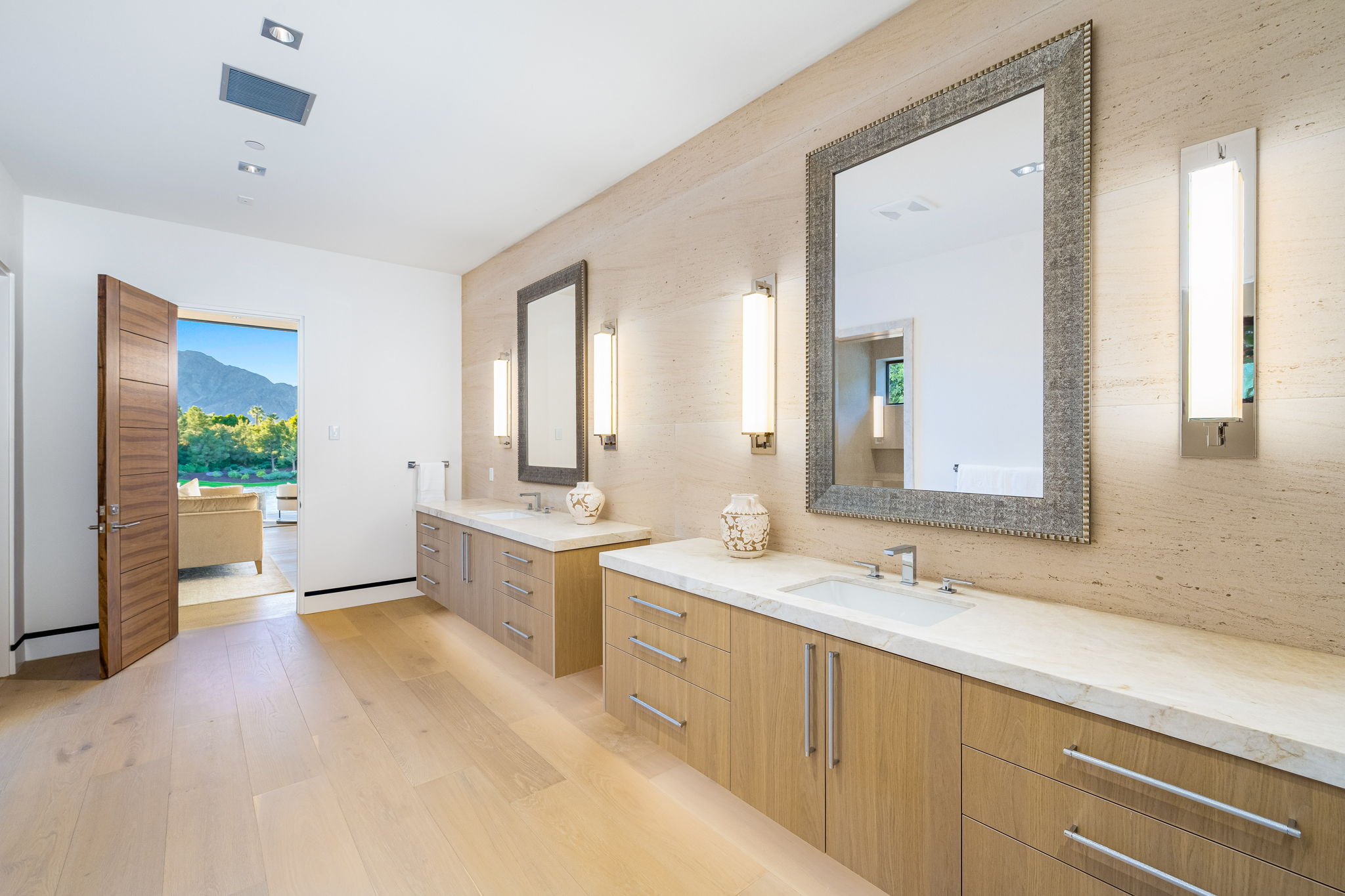
Flooring Needs: Room, Traffic, and Lifestyle
Before you even start looking at laminate products, consider where the floor will be installed and how it will be used.
- Room Function: Is it for a living room, bedroom, kitchen, or basement? This will influence the level of water resistance and durability needed.
- Traffic Level: High-traffic areas (hallways, living rooms, kitchens) require more durable options than low-traffic areas (bedrooms, formal dining rooms).
- Household Activity: Do you have kids, pets, or frequent guests? These factors will necessitate a tougher, more scratch-resistant laminate floors.
- Moisture Exposure: While some laminate products offer enhanced water resistance, traditional laminate floor is not 100% waterproof. For areas with potential for spills or high humidity (e.g., bathrooms, basements), explore specific water-resistant floor buying options or consider alternatives like luxury vinyl.
Understanding the AC Rating
One of the most critical aspects of your laminate floor checklist is understanding the Abrasion Class (AC) rating. This rating indicates the durability and resistance to abrasion, impact, stains, and moisture.
- AC1 (Moderate Residential): Suitable for light, infrequent use (e.g., bedrooms, closets).
- AC2 (General Residential): Suitable for general residential use (e.g., living rooms, dining rooms).
- AC3 (Heavy Residential / Light Commercial): Ideal for all residential areas, including high-traffic zones like hallways and kitchens. Also suitable for light commercial use (e.g., small offices). This is often the most common and versatile choice for homes.
- AC4 (General Commercial): Suitable for all residential applications and general commercial use (e.g., boutiques, offices).
- AC5 (Heavy Commercial): Designed for heavy commercial traffic (e.g., public buildings, department stores).
For most residential applications, an AC3 or AC4 will offer sufficient durability.
Thickness: Beyond Durability
Thickness typically ranges from 6mm to 12mm (or more). While thickness often correlates with durability, it’s not the only factor.
- Stability: Thicker laminate products tend to be more stable and less prone to flexing or gapping.
- Sound Absorption: Thicker planks can contribute to a quieter floor, especially when combined with a good underlayment.
- Impact Resistance: A thicker core can provide better impact resistance against dropped objects.
- Subfloor Imperfections: Thicker can be more forgiving over minor subfloor imperfections.
Remember, the AC rating is a better indicator of surface durability, but thickness contributes to overall structural integrity and feel.
Edge and Core Type: Water Resistance
Traditional laminate flooring has an HDF (High-Density Fiberboard) core that can swell if exposed to standing water. However, manufacturers offer various options with improved water resistance:
- Water-Resistant Laminate: These feature special coatings, watertight locking systems, and sometimes a water-resistant core to prevent moisture from penetrating the surface for a limited time. They are suitable for kitchens and bathrooms where spills are promptly cleaned.
- Waxed Edges: Some laminate planks have waxed edges that help repel moisture at the seams.
- Core Material: While most laminate has an HDF core, some newer products might incorporate more water-resistant core technologies.
Aesthetics: Style, Texture & Plank Size
- Appearance: Do you want the look of hardwood (oak, maple, cherry, exotic woods), stone (slate, travertine), or tile?
- Color & Shade: Consider how the color will affect the feel of the room (light colors make a room feel larger, dark colors more intimate).
- Texture: Look for realistic textures like embossed-in-register (EIR) that mimic wood grain or stone patterns. Hand-scraped, wire-brushed, and distressed finishes add character.
- Plank Size & Shape: Laminate flooring comes in various plank widths and lengths, as well as tile formats. Wider, longer planks can make a room feel more expansive, while narrower planks can create a more traditional look.
Bring samples home to see how they look in your room’s lighting and against your existing decor.
Underlayment of Laminate Floors
- Moisture Barrier: Protects the moisture rising from the subfloor.
- Sound Dampening: Reduces noise, particularly the hollow sound often associated with floating.
- Comfort: Adds a layer of cushioning underfoot.
- Subfloor Leveling: Helps to smooth out minor imperfections in the subfloor.
Installation Method: DIY vs. Professional
Laminate floor is known for its DIY-friendly click-lock floating installation.
- DIY: If you’re comfortable with basic tools and precise measurements, installing laminate floors yourself can save on labor costs.
- Professional Installation: For complex layouts, uneven subfloors, or simply peace of mind, professional installation ensures a flawless finish and can save you time and potential headaches. Macco’s Floor Covering offers trained installation specialists whose job it is to make every selection look beautiful in your home.
Budget Cost & Quality
Determine your budget per square foot, including materials, underlayment, and installation. Remember that while laminate flooring is generally more affordable than hardwood, quality varies significantly. Don’t compromise too much on quality for the sake of a lower price, especially for high-traffic areas, as a less durable laminate product may need replacement sooner.
Warranty: Your Investment
Laminate floors warranties typically cover wear, staining, and fading. Pay attention to:
- Residential vs. Commercial Warranty: Ensure it matches your intended use.
- Length of Warranty: Longer warranties often indicate higher confidence in the product’s durability.
- Coverage: Understand what is and isn’t covered.
Visit Macco’s Floor Covering for New Laminate Flooring in Green Bay, WI & Surrounding Areas
By carefully considering each point on this laminate floor buying checklist, you’ll be well-equipped to choose the perfect laminate floors for your home. Remember that making an informed decision is about balancing aesthetics with practicality, ensuring your new floor meets your lifestyle needs and stands the test of time.
At Macco’s Floor Covering, we strive to be your trusted advisor for everything flooring. We offer the best values, exceptional service, and a commitment to the community across Green Bay, Sheboygan, Marinette, Appleton, Schofield, Sturgeon Bay, Janesville, and surrounding areas of Wisconsin.
Our experienced team is poised to lend our special expertise to your individual project, from picking out your new laminate floor to laying the final plank. We’d love the opportunity to earn your business.
Contact us today and schedule an appointment with one of our laminate flooring experts!
LOCATIONS: